
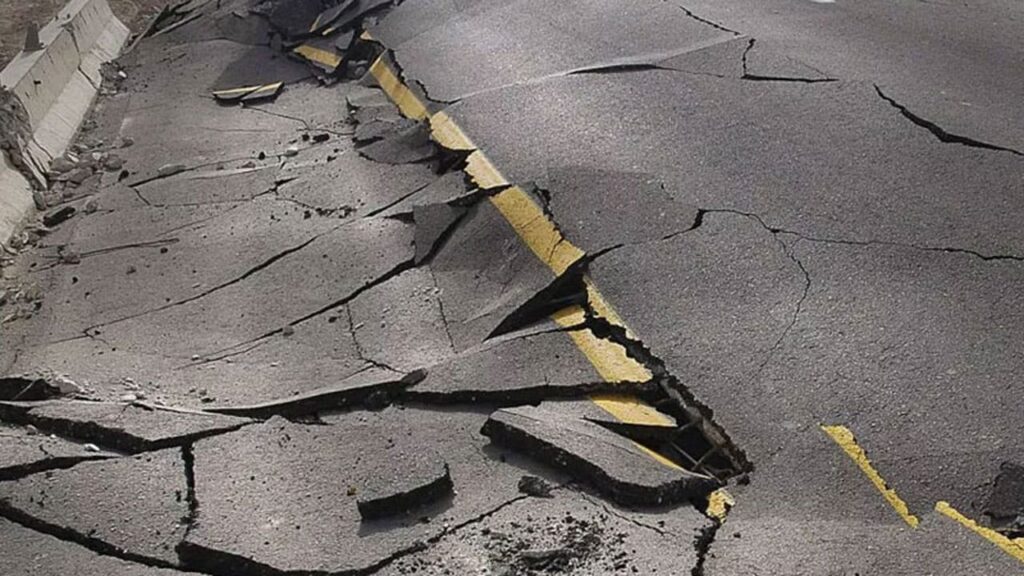
A recent earth tremor that shook parts of Abuja has reignited concerns about Nigeria’s readiness to respond to seismic events, despite government assurances that the incident posed no immediate threat.
The light tremor, which occurred on Tuesday, August 4, was detected by the Nigerian Geological Survey Agency (NGSA) at approximately 11:23 a.m.According to the agency, the tremor originated at a shallow depth of about one kilometre and spread across a four-kilometre radius within seconds.
Authorities classified the event as a low-intensity tremor on the Modified Mercalli Intensity Scale, noting that while residents experienced noticeable building vibrations, no casualties or structural damage were recorded.
In response, the Minister of Solid Minerals Development, Dele Alake, directed the NGSA to intensify seismic monitoring and provide regular situation reports. He also urged residents to remain calm, assuring the public that the government was taking proactive measures to safeguard lives and property.
The incident has renewed attention on earlier warnings by the Nigerian Institution of Structural Engineers (NISE), which cautioned that although Nigeria is generally regarded as a low-seismic-risk country, many buildings may not be adequately designed to withstand earthquake forces.
Experts expressed concern that poor engineering standards and weak enforcement of building regulations could increase the risk of structural failures if stronger seismic activity occurs.
They also identified cities such as Lagos, Ibadan, Abeokuta and Benin City as locations that could experience stronger ground shaking due to their soft soil conditions and regional geological influences.
In light of the Abuja tremor, NISE has reiterated the need for improved earthquake-resistant building designs, stricter compliance with construction standards and greater public awareness to strengthen the country’s disaster preparedness.
While the latest tremor caused no reported damage, experts say it serves as a timely reminder of the importance of investing in resilient infrastructure and emergency response systems to reduce the impact of future seismic events.