The Federal Government has clarified that the petrol discount introduced by the Nigerian National Petroleum Company Limited (NNPC) retail arm is not a return of fuel subsidy, insisting that no public funds are being used to reduce pump prices.
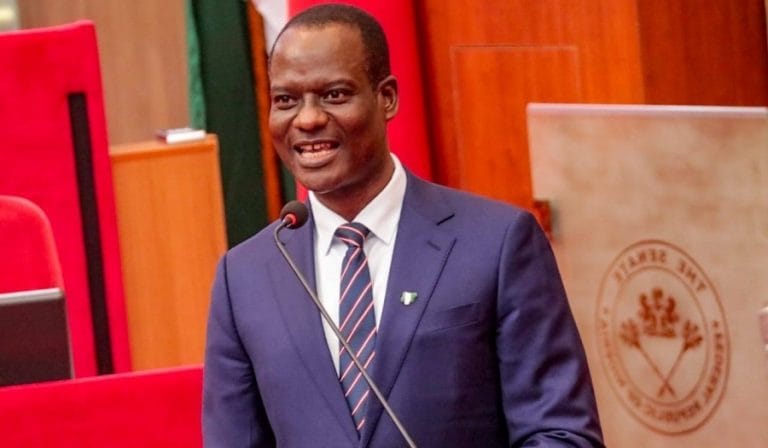
The Minister of Finance and Coordinating Minister of the Economy, Taiwo Oyedele, made the clarification in a statement issued by the Federal Ministry of Finance in Abuja on Friday, titled “The NNPC Retail Discount Is Not a Subsidy: No Public Money Is Involved.”
Oyedele explained that the discount was funded by NNPC Retail Limited’s decision to reduce its profit margin, rather than through allocations from the federal budget or the Federation Account.
The clarification followed an earlier announcement by the Presidency that NNPC Retail would temporarily forgo its retail profit margin and sell petrol at cost to cushion households against global oil price shocks.
The minister distinguished the arrangement from a fuel subsidy, which involves the government paying part of the price of petroleum products with public revenue.
He said NNPC Retail purchases petrol from Dangote Refinery and other suppliers at market prices before adding its retail margin.
Under the discount arrangement, the company reduces that margin to lower the price paid by consumers.
He also noted that selling crude oil below market prices could amount to a subsidy if the resulting revenue shortfall was borne by public funds.
According to the minister, reducing the profit margin on each litre of petrol would not necessarily lower NNPC Retail’s overall profits or dividends paid to the Federation, as increased sales volumes and customer loyalty could offset the reduced margins.
Oyedele also dismissed concerns that the discount would encourage petrol smuggling into neighbouring countries, saying the retail margin accounted for less than five per cent of the pump price.
The minister listed other government measures to ease fuel-related costs, including expanding compressed natural gas deployment for transportation, waiving taxes and duties on petrol, and removing illegal levies that increase transportation expenses.