
Former Kaduna Central Senator, Shehu Sani, has urged Nigerians to change their perception of prison inmates, saying being incarcerated does not automatically make a person dangerous or evil.
Sani made the call at the first Nigerian Correctional Service (NCoS) Security, Welfare Agenda (SWAC) Conference Graduation Ceremony held in Kaduna.
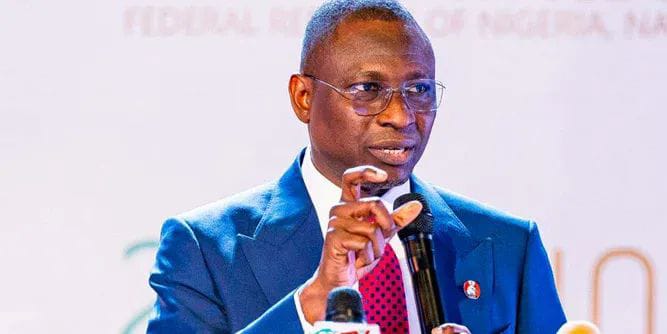
The former senator was represented at the event by Malam Nasiru Abbas.Sani said correctional centres should focus not only on punishment but also on rehabilitation, character development and preparing inmates for successful reintegration into society.
He said imprisonment should provide individuals with an opportunity to reflect on their actions, learn from their mistakes and make positive changes.
The former lawmaker also spoke about his personal experience of incarceration, revealing that he had been detained at Kaduna Prison and other correctional facilities.
According to him, his experience gave him a deeper understanding of prison life and influenced his interest in issues concerning correctional institutions.
Sani said he would have attended the conference personally but was prevented by an unexpected engagement.
He noted that many Nigerians had never visited a prison or even seen the inside of a police cell, making it difficult for them to fully understand the purpose of correctional facilities.
He said, “A correctional centre is also a place where people are given the opportunity to reflect on their lives and correct their mistakes.”Sani added, “Being in prison does not automatically mean that someone is dangerous or evil in society.
It can also be a place where people are given an opportunity to learn, reform and prepare themselves for a better life.”The former senator further stressed the need for correctional centres to help inmates develop resilience and the ability to cope with difficult situations.
He said inmates should be equipped with the skills and mindset needed to withstand challenges, improve their outlook on life and successfully return to society after serving their sentences.
Sani’s comments highlight the importance of rehabilitation and reintegration in Nigeria’s correctional system, particularly in helping former inmates rebuild their lives after incarceration.