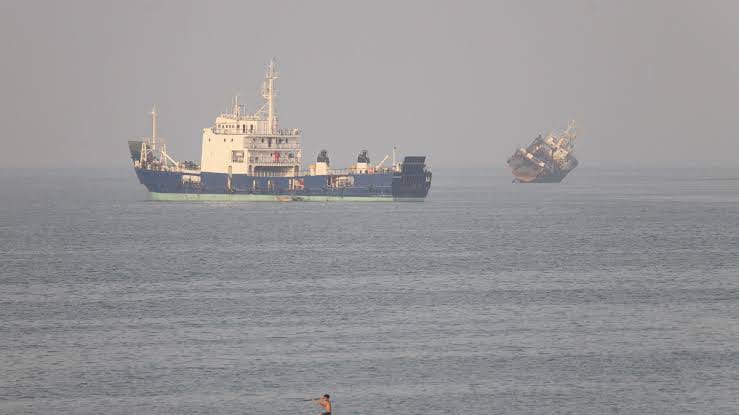
Talks are continuing over efforts to reopen the Strait of Hormuz, with Oman playing a key role in discussions involving Iran and the United States. The development has attracted international attention because the waterway is a major route for global oil shipments and other commercial activities.
The Strait of Hormuz is important to the world’s energy supply because large amounts of crude oil and petroleum products pass through it every day. Any serious disruption can affect oil supplies, create uncertainty in the market and potentially push fuel prices higher in some countries.
Iran and Oman are working towards an agreement that could allow the waterway to reopen. However, the talks are not moving as quickly as some may expect. The negotiations have also become an opportunity for Tehran to push for conditions it considers favourable amid its wider tensions with Washington.
The issue has attracted different opinions and reactions from people following the development. Some believe Iran has the right to defend itself and protect its interests, especially given the tensions between Tehran and Washington. They see Iran’s position as part of its efforts to protect itself from outside pressure and safeguard its national interests.
Others, however, have a different view. They argue that no country should have control over an international trade waterway because the Strait of Hormuz is used by many countries and plays an important role in global trade. According to this view, access to such a major route should remain open and should not depend on the interests of one country.
Another view is that Iran will eventually reopen the Strait of Hormuz but may want to keep the United States and Israel out of any arrangement. Supporters of this position believe Tehran could use the reopening of the waterway to advance its demands while limiting the involvement of its rivals.
A prolonged disruption around the Strait of Hormuz could have wider effects. Delays in oil shipments could create supply concerns and put pressure on prices. Countries that depend heavily on oil passing through the route are therefore watching the talks closely, while Oman continues its efforts to help find a way forward.
For now, the main question is whether Iran and Oman will reach an agreement soon and reopen the waterway. Or will Tehran continue using the negotiations to put pressure on Trump? Whatever happens next, the talks show just how important the Strait of Hormuz is to global trade and energy supplies.