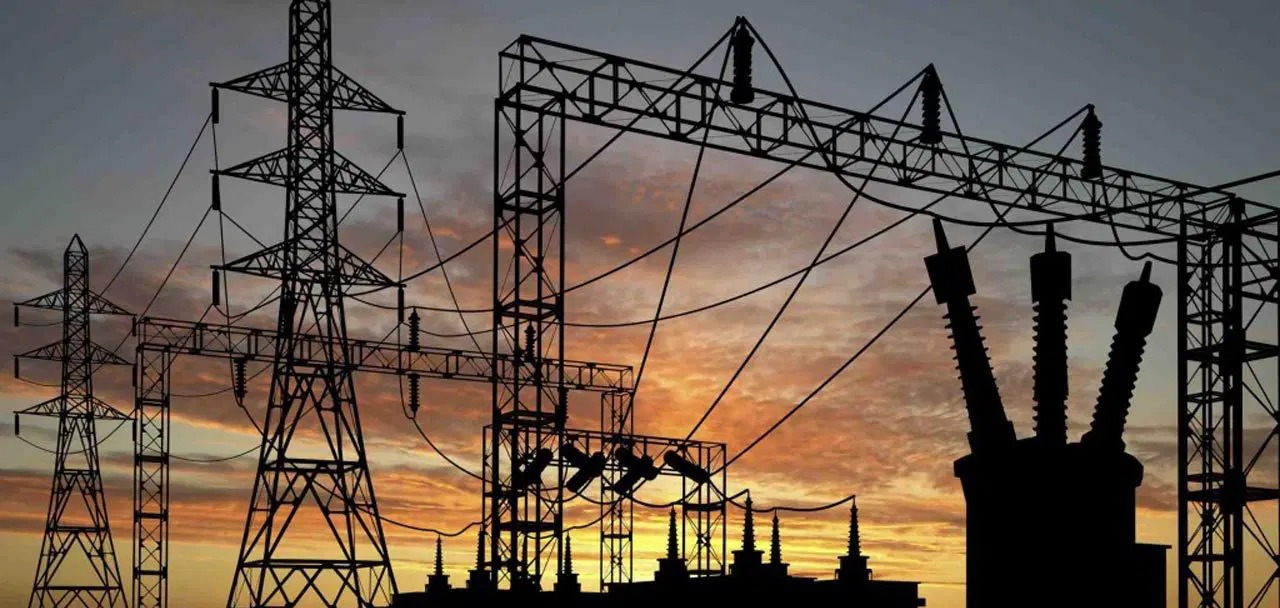
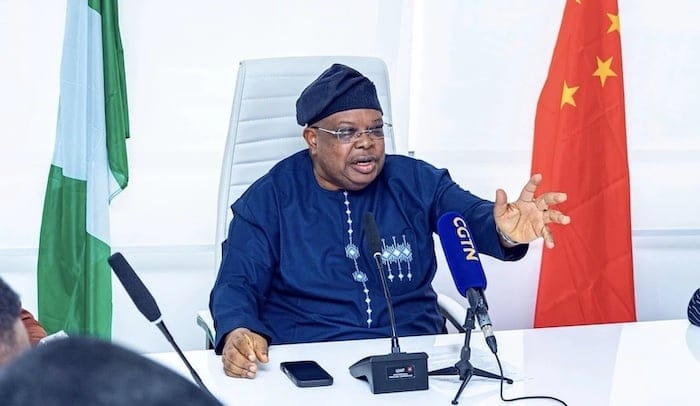
The Federal Government can no longer sustain the financial burden of electricity tariff shortfalls while meeting the country’s power supply needs, the Minister of Power, Joseph Tegbe, has said.
Tegbe disclosed this on Monday while speaking on the financial challenges confronting Nigeria’s electricity sector, particularly the disparity between the cost of generating and supplying electricity and the tariffs paid by consumers.
The minister explained that the government could no longer maintain the existing arrangement under which it bears the cost of electricity subsidies to bridge the gap between the actual cost of power and the amount consumers pay.
He identified poor revenue collection, inadequate metering and outstanding debts owed to electricity generation companies as some of the major challenges undermining the financial stability of the sector.
Tegbe also revealed that the Federal Government was considering a transition from the Nigerian Bulk Electricity Trading model to bilateral electricity agreements, which would enable power suppliers and buyers to negotiate commercial terms directly.
According to the minister, the proposed arrangement is expected to strengthen payment discipline, improve market efficiency and enhance the financial sustainability of Nigeria’s electricity sector.
On metering, Tegbe said Nigeria still had a metering gap of approximately 40 per cent, a situation that continues to affect accurate billing and revenue collection across the electricity market.
He disclosed that more than 700,000 electricity meters had been deployed within six months, while the government planned to install 7.5 million meters over the next two to three years.
The planned meter rollout is expected to improve billing transparency, reduce estimated billing and strengthen revenue assurance for electricity distribution companies.
The minister’s remarks come amid ongoing efforts to address persistent financial challenges in Nigeria’s power sector, including subsidy costs, poor payment compliance and mounting debts across the electricity value chain.