Oil companies looking to invest in new deep offshore projects in Nigeria now have a new incentive to consider. The Federal Government has introduced a 70:30 profit-sharing arrangement for eligible projects, with contractors getting 70 per cent of the profit oil and the government taking 30 per cent.
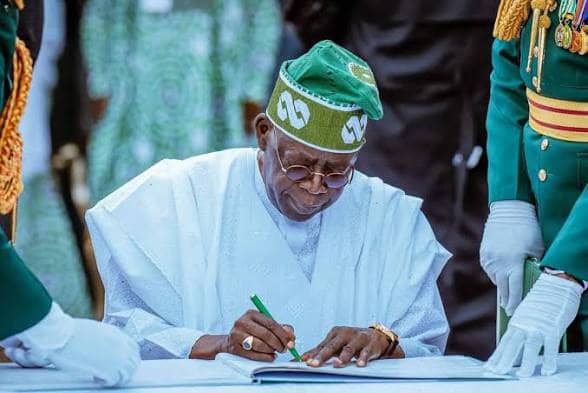
President Bola Tinubu approved the new incentive on August 6, 2026, through the Deep Offshore Oil and Gas Projects Incentives (Tax Remission) Order. The idea is to make new oil and gas projects more attractive to investors by giving them clearer terms before they commit their money.
The new arrangement also means that companies developing fresh oil fields in areas where older projects are already producing can start with a new profit-sharing formula. They will not automatically have to follow the higher government share that may already apply to the older projects.
In simple terms, an eligible new project can begin with the contractor getting 70 per cent and the government 30 per cent. The arrangement applies only to the approved new development and will not change the existing profit-sharing terms for oil already being produced in the same area.
The Nigerian National Petroleum Company Limited welcomed the order, describing it as a major step for the oil industry. The company said the policy could give investors more confidence and help Nigeria work towards its target of producing three million barrels of oil per day by 2030. Presidency officials also said the clearer rules could help rebuild investor confidence, while energy advisers believe the policy could push international oil companies to focus more on deepwater and gas projects.
There are, however, conditions attached to the incentive. It only applies to new greenfield crude oil or non-associated gas projects where a Final Investment Decision had not been taken before the order came into effect. For ordinary Nigerians, the hope is that the new policy will go beyond attracting investors and bring real benefits to the country. A Nigerian who reacted to the development said the government must ensure that the investment leads to more jobs, stronger local businesses, better skills and increased revenue that can improve the lives of Nigerians.